
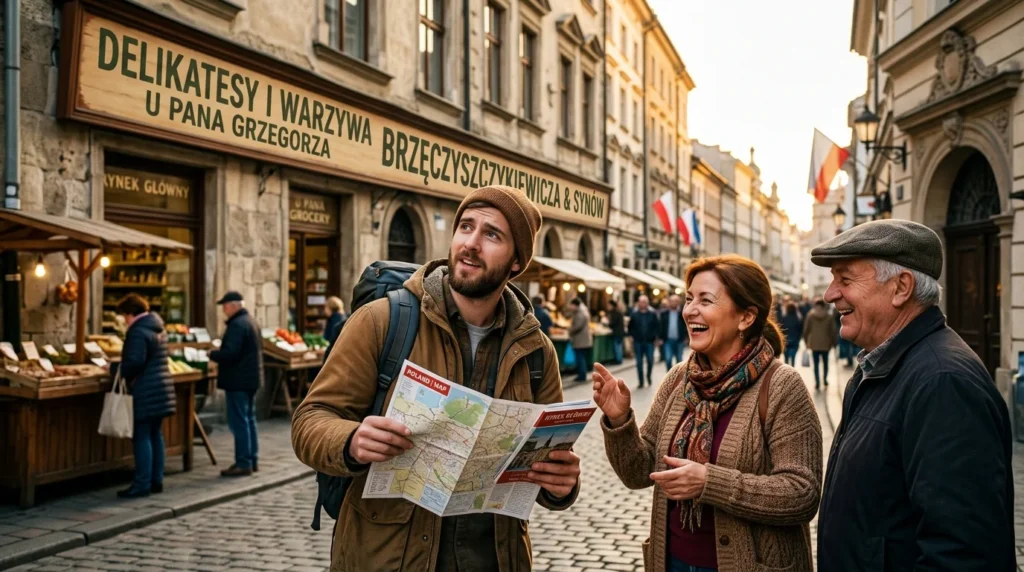
Some names don’t just identify people — they carry stories, history, and generations within them. Polish last names are a perfect example of this quiet beauty. 🇵🇱✨ From noble-sounding endings like -ski to earthy, nature-inspired roots, these surnames feel like echoes from another time, yet still live strongly in modern culture today.
If you’ve ever heard names like Kowalski or Wiśniewski, you’ve already felt how rich and melodic Polish surnames can be. Some sound powerful, some poetic, and some feel deeply connected to land, family, and tradition. There’s a reason they stand out so easily in stories, games, and even real-life identity searches.
In this guide, we’ll explore their meanings, styles, and hidden beauty in a way that feels simple, human, and easy to understand. You’ll discover how these names are formed, why they matter, and what makes them so timeless across generations.
Quick Checklist Before Choosing Polish Last Names
- 🧭 Understand the meaning or origin of the surname
- 🧠 Match the name with personality, character, or purpose
- 🔊 Check pronunciation for clarity and flow
- 🌍 Consider cultural and historical accuracy
- ✨ Choose names that feel natural and memorable
- 📌 Avoid overly complex or hard-to-read combinations
Most Common Polish Last Names 🇵🇱
- Nowak
- Kowalski
- Wiśniewski
- Wójcik
- Kowalczyk
- Kamiński
- Lewandowski
- Zieliński
- Szymański
- Woźniak
- Dąbrowski
- Kozłowski
- Jankowski
- Mazur
- Kwiatkowski
- Wojciechowski
- Kaczmarek
- Piotrowski
- Grabowski
- Pawłowski
👉 Which common surname do you find most familiar?
Rare Polish Last Names 🧬
- Błaszczyk
- Radoszewski
- Grzebień
- Cieślikowski
- Żmuda
- Olejniczak
- Kruczek
- Słowikowski
- Baranowski
- Łukasiewicz
- Borkowski
- Ptakowski
- Malinowski
- Szafraniec
- Gawroński
- Fedorowicz
- Czapliński
- Wilczyński
- Sarnowski
- Bielecki
💬 Would you use a rare surname for a character or story?
Noble & Aristocratic Polish Surnames 👑
- Radziwiłł
- Czartoryski
- Zamoyski
- Lubomirski
- Potocki
- Sapieha
- Branicki
- Tarnowski
- Krasiński
- Ostrogski
- Zbaraski
- Wiśniowiecki
- Poniatowski
- Rzewuski
- Sanguszko
- Mniszech
- Jabłonowski
- Działyński
- Ostroróg
- Denhoff
✨ Which one sounds like royalty to you?
Short Polish Last Names ⚡
- Lis
- Nowy
- Dąb
- Wilk
- Kot
- Rak
- Bar
- Sik
- Gaj
- Oko
- Paz
- Bąk
- Sowa
- Zięb
- Kruk
- Kęp
- Łuk
- Fis
- Rut
- Płot
🔥 Short names often feel sharp and powerful—agree or not?
Long Polish Last Names 📜
- Grzegorczykiewicz
- Kowalewiczowski
- Szczepańskiewicz
- Konstantynowicz
- Maciejewiczowski
- Aleksandrowicz
- Bartłomiejczyk
- Włodzimierzewski
- Franciszkiewicz
- Stanisławowicz
- Wojciechowicz
- Mieczysławowski
- Zbigniewicz
- Krzysztofowicz
- Pawlikowski
- Tomaszewicz
- Janikowski
- Szymanowicz
- Arkadiuszewski
- Filipowicz
💡 Would you prefer long dramatic surnames or short punchy ones?
Modern & Trendy Polish Last Names 🚀
- Novik
- Skarbek
- Urbanik
- Lewin
- Zarek
- Kravik
- Modan
- Vistal
- Branik
- Soren
- Kovalik
- Drevik
- Maren
- Javor
- Elvik
- Zorin
- Lasker
- Vitek
- Orlan
- Taren
✨ Which modern surname feels the most stylish?
Nature-Inspired Polish Last Names 🌲
- Dębowy
- Leśny
- Kwiat
- Brzoza
- Słoneczny
- Różany
- Wodny
- Górski
- Kamień
- Ptak
- Wilczy
- Bławat
- Jesienny
- Zimowy
- Zielony
- Morski
- Polny
- Łąkowy
- Burzowy
- Wichrowy
🌿 Nature-based surnames always feel poetic—your favorite?
Occupational Polish Last Names 🛠️
- Kowal (blacksmith)
- Piekarz (baker)
- Młynarz (miller)
- Rybarz (fisher)
- Krawiec (tailor)
- Bednarz (cooper)
- Cieśla (carpenter)
- Garncarz (potter)
- Szewc (shoemaker)
- Murarz (bricklayer)
- Rolnik (farmer)
- Płatnerz (armorer)
- Złotnik (goldsmith)
- Kucharski (cook-related)
- Woźny (doorman/porter)
- Ogrodnik (gardener)
- Myśliwy (hunter)
- Strażnik (guard)
- Rzeźnik (butcher)
- Handlarz (trader)
💼 Which profession-based surname stands out most?
Strong & Powerful Polish Last Names 💪
- Wilkowski
- Orłowski
- Żelazny
- Królewski
- Sokolowski
- Lewand
- Wichrowski
- Burzowski
- Ogniński
- Gromski
- Błyskowski
- Czarnecki
- Mroczny
- Wojskowy
- Zbrojny
- Stalewski
- Ognisty
- Hartman
- Szybki
- Niezłomny
⚔️ Which name feels the most powerful?
Aesthetic & Beautiful Polish Last Names 🌸
- Malinowski
- Kwiatkiewicz
- Różewicz
- Słonecki
- Jasnowski
- Wiosnowski
- Liliński
- Złotowski
- Świetlik
- Błękitny
- Perłowski
- Ciepłowski
- Wietrzny
- Tęczowski
- Gwiazdowski
- Słowiański
- Delikatny
- Miłosz
- Anielski
- Serenowski
🌸 Which one feels the most aesthetic to you?
How We Create Polish Last Names
Creating Polish-inspired surnames follows a simple pattern. Many traditional names come from geography, occupations, nature, or family lineage. Common suffixes like -ski, -cki, -icz, and -wicz often indicate origin or descent.
To generate authentic names:
- Start with a root word (nature, job, trait)
- Add a traditional Polish suffix
- Keep phonetics smooth and natural
- Ensure cultural consistency
This method helps create names that feel realistic and historically grounded.
Tips for Making Your Polish Last Names Stand Out
- Combine tradition with uniqueness
- Use soft and hard consonant balance
- Keep meaning aligned with personality or branding
- Avoid overly complex spelling
- Test how the name sounds when spoken aloud
Common Mistakes to Avoid
- Overusing popular names like “Nowak” in every project
- Ignoring pronunciation difficulty
- Mixing incompatible linguistic styles
- Creating names without meaning or structure
- Copying without cultural understanding
FAQs About Polish Last Names
What are the most common Polish last names?
Common Polish surnames include Nowak, Kowalski, Wiśniewski, and Wójcik. These names often originate from professions or geographic roots.
What do Polish last names ending in -ski mean?
Names ending in -ski usually indicate belonging or origin, often linked to a place or noble background.
Are Polish last names gendered?
Yes, some traditional surnames change form based on gender, especially older or noble variations.
What are rare Polish last names?
Rare surnames include Błaszczyk, Radoszewski, and Słowikowski, often tied to specific regions or families.
Can Polish last names be used in fiction?
Absolutely. Polish surnames are popular in storytelling due to their strong cultural and historical depth.
How are Polish surnames created?
They are typically formed from occupations, places, nature, or personal traits combined with Slavic suffixes.
Conclusion
Polish last names are rich in meaning, history, and cultural depth. From powerful noble surnames to soft and aesthetic nature-inspired names, each category tells a unique story about identity and heritage.
Whether you’re building characters, exploring ancestry, or just enjoying linguistic beauty, these names offer endless inspiration. With hundreds of options and naming patterns, you now have everything you need to choose the perfect Polish surname with confidence.
If you enjoyed this collection, save it for later, share it with friends, or drop your favorite Polish last name in the comments. The perfect name might just be one scroll away.